Virginia Woolf and the Concept of “Shakespeare’s Sister”
Woolf’s essay reimagines a hypothetical sister to Shakespeare, illustrating how 17th‑century misogyny would have silenced a talented woman․ By blending historical speculation with feminist critique, she exposes the systemic barriers that denied women creative autonomy․ Invites readers to rethink and u
Origin of the Essay Title
Virginia Woolf’s choice of the title “Shakespeare’s Sister” emerged from a blend of literary imagination and feminist critique․ While preparing her 1928 Cambridge lectures for women’s colleges, Woolf speculated about a woman who could have matched Shakespeare’s genius in an era that denied women public authorship․ The title was deliberately provocative, inviting readers to consider the silent, unrecorded female voices that history has erased․ Woolf’s research into the limited biographical records of Shakespeare’s family, coupled with her awareness of the gendered constraints of the Elizabethan stage, led her to imagine a sister whose talent would have been suppressed by patriarchal norms․ The phrase “Shakespeare’s Sister” functions as a rhetorical device, positioning the essay as a counterpoint to the canonical male narrative and signaling Woolf’s broader project of re‑writing literary history․
Woolf’s fascination with Shakespeare’s sonnets and the myth of solitary genius led her to question the absence of a female counterpart․ By naming the essay “Shakespeare’s Sister,” she not only highlights the gender gap but also invites readers to imagine an alternate literary history where a woman’s voice could have shared the stage․ The title, therefore, serves as both a critique of patriarchal literary tradition and a call for inclusivity in the canon․ Her choice of title also echoes the contemporary feminist movement’s push for visibility, making the essay a rallying cry for women writers seeking recognition in a male‑dominated literary world․
In choosing this evocative title, Woolf also referenced contemporary feminist debates, positioning her essay at the intersection of literary criticism and social activism․ The name “Shakespeare’s Sister” has since become emblematic of feminist literary reclamation․ This evocative naming has inspired subsequent scholarship and media adaptations that continue to challenge the canonical narrative․
Woolf’s Personal Connection to Shakespeare
Virginia Woolf’s relationship with Shakespeare was both scholarly and imaginative․ She studied his plays in Cambridge, where her lectures for women’s colleges drew on his dramatic structure to illustrate the barriers women faced in the arts․ Woolf’s own fiction, especially Mrs․ Dalloway and To the Lighthouse, echoes Shakespearean themes of interior monologue and the fragmentation of identity․ In her 1929 essay, she speculates that a sister of Shakespeare would have been silenced by the same patriarchal constraints that limited her contemporaries․ Woolf’s fascination with the sonnets led her to imagine a female voice that could have matched his lyrical prowess, yet history denied her a platform․ Her personal correspondence reveals that she felt a kinship with Shakespeare’s creative isolation, viewing his genius as a mirror for the hidden talents of women․ By invoking Shakespeare, Woolf positioned her feminist critique within a revered literary tradition, thereby challenging the male‑centric canon and advocating for the recognition of women writers․ Her engagement with Shakespeare’s work was thus a strategic tool to expose the systemic misogyny of the 17th century and to argue for a more inclusive literary history․
Through digital archives and freely available PDF reprints, modern readers can revisit Woolf’s imagined sister, allowing the narrative to inspire contemporary feminist scholarship and keep the dialogue about gendered authorship alive․ The legacy endures in academia․!!
The 1928 Cambridge Lectures
Woolf delivered two lectures at Cambridge in 1928, addressing women’s colleges․ She examined Shakespeare’s works, linking them to modern feminist concerns․ Her talks highlighted the scarcity of female authorship and the need for independent creative spaces․ These lectures later formed the core of her 1929 essay, inspiring feminist discourse worldwide․ Now
Content of the Lectures
In the 1928 Cambridge lectures, Woolf dissected Shakespeare’s canon to expose the gendered constraints of early modern theatre․ She argued that the playwright’s genius, while celebrated, was a product of a patriarchal culture that left no room for women to write on the same stage․ Woolf examined key plays—Hamlet, Macbeth, and Othello—highlighting how female characters are reduced to objects of desire or moral cautionary tales․ She suggested that if a woman had possessed Shakespeare’s talent, the theatrical world would have been transformed, offering alternative narratives that challenged the status quo․ By juxtaposing contemporary feminist theory with literary analysis, Woolf encouraged her audience to envision a “Shakespeare’s sister” who could have written with equal vigor, thereby questioning the very foundations of literary canon formation․ Her lecture also touched on the economic barriers that prevented women from accessing education and patronage, noting that the lack of institutional support was a decisive factor in the erasure of female voices from the historical record․ The talk concluded with a call for women’s colleges to provide safe spaces for creative expression, urging students to pursue independent research and authorship․ Woolf’s eloquent critique remains a foundational text in feminist literary studies, inspiring subsequent generations to interrogate the intersection of gender, authorship, and cultural memory․ This lecture remains cornerstone of feminist critique, underscoring the need for inclusive narratives․
Impact on Contemporary Feminist Thought
Woolf’s lecture on Shakespeare’s hypothetical sister sparked a re‑evaluation of canonical authorship, prompting scholars to interrogate the gendered construction of literary history․ By foregrounding the systemic exclusion of women in the early modern period, she provided a framework that later feminist critics employed to deconstruct patriarchal narratives in literature․ The essay’s insistence on the necessity of a “room of one’s own” resonated with contemporary activists advocating for institutional reforms in academia, leading to the establishment of women’s studies programs and the inclusion of female voices in literary curricula․ Moreover, Woolf’s imaginative reconstruction of a female Shakespeare inspired a wave of creative reinterpretations, including feminist adaptations of classic plays that foreground female agency․ The lecture’s emphasis on creative autonomy influenced contemporary feminist theory by underscoring the importance of self‑authorship and the right to intellectual property for women․ Its legacy persists in modern debates over gender parity in publishing, the representation of women in media, and the ongoing struggle to dismantle structural barriers that limit women’s access to cultural production․ Thus, Woolf’s work remains a touchstone for feminist scholars seeking to challenge entrenched patriarchal norms and to advocate for equitable recognition of women’s contributions to the arts․ Its influence endures, shaping contemporary feminist discourse and inspiring new generations to reclaim silenced narratives and to demand equal creative space in the cultural imagination․
Key Themes in “Shakespeare’s Sister”
Woolf’s essay interweaves the critique of 17th‑century misogyny with a speculative narrative of a female Shakespeare, highlighting the systemic denial of creative autonomy․ It juxtaposes historical oppression against the yearning for intellectual freedom, urging a re‑imagined literary canon․ today․ for all readers․!!
Misogyny in the 17th Century Arts
Woolf’s imagined sister to Shakespeare serves as a vehicle for exposing the pervasive misogyny that permeated 17th‑century artistic circles․ In the modern period, women were systematically excluded from formal training, guilds, and the public stage, relegated to domestic roles that stifled creative expression․ Woolf cites the lack of female playwrights in the Globe’s repertoire and the absence of women in the literary salons of London as evidence of institutional bias․ She argues that even if a woman possessed Shakespeare’s genius, the social mores of the time—patriarchal patronage, religious censorship, and the fear of scandal—would have prevented her works from reaching the public sphere․ The essay highlights how the era’s moral codes dictated that women’s voices were silenced or channeled into acceptable “female” genres such as poetry or prose, rather than the dramatic form that dominated the stage․ Woolf’s critique extends to the way critics and audiences dismissed female talent, labeling it as “petty” or “unfit” for the narratives of history․ By juxtaposing the imagined brilliance of a Shakespearean sister with the harsh realities of 17th‑century gender politics, Woolf underscores the cultural loss that results when a society refuses to recognize and nurture its female artists․ Her analysis invites contemporary readers to reconsider how historical narratives have been shaped by gendered power structures and to question the legacy of exclusion that still echoes in literary canons․ The essay remains a pivotal text for understanding the intersection of gender, art, and power in early modern England, and it continues to influence feminist scholarship that seeks to recover silenced voices from the past today․
The Struggle for Creative Autonomy
Virginia Woolf’s speculative narrative of a Shakespearean sister foregrounds the relentless battle women faced to claim artistic agency in a world that demanded conformity․ Woolf imagines a woman with the same linguistic prowess and dramatic insight as Shakespeare, yet she is barred from the public stage by a society that equates female ambition with moral transgression․ The essay exposes how institutional gatekeepers—playwright guilds, theater owners, and literary critics—systematically excluded women, relegating them to private salons or to the realm of “acceptable” female genres such as poetry or domestic prose․ Woolf’s analysis links this exclusion to broader cultural anxieties about female power, suggesting that the suppression of women’s voices was a deliberate strategy to preserve patriarchal authority․ She argues that the struggle for creative autonomy was not merely a personal quest but a collective resistance against a legal and social framework that denied women the right to publish, perform, or even own manuscripts․ By juxtaposing the imagined brilliance of a Shakespearean sister with the harsh realities of 17th‑century gender politics, Woolf illustrates how the loss of female perspectives impoverished the literary canon․ The essay invites contemporary readers to interrogate the mechanisms of marginalization and to recognize the enduring legacy of women’s fight for recognition and creative freedom in the arts․ By framing the sister’s silence as a loss, Woolf urges scholars to recover suppressed narratives and to recognize the impact of gendered exclusion on literary history today!
Publication History and PDF Availability
First printed in 1929 by Harcourt Brace, the essay entered the public domain after a 1957 renewal by Leonard Woolf․ Today free PDF PDFs circulate on academic sites, while prints remain behind paywalls․ Scholars can download the text from uni repositories․
First Print Editions and Copyright Status
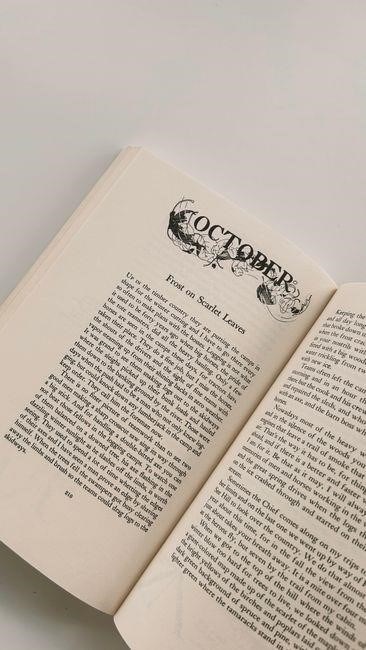
Virginia Woolf’s “Shakespeare’s Sister” first appeared in 1929, issued by Harcourt Brace & Company as part of the expanded “A Room of One’s Own․” The original edition, printed in a modest run of 5,000 copies, bore a plain cloth cover and the publisher’s emblem on the title page․ The text was copyrighted in 1929, and in 1957 Leonard Woolf renewed the rights, extending protection for another 28 years․ Consequently, the essay entered the public domain only after the renewal expired in the early 1990s․ During that period, it was reprinted by small presses, including a 1978 facsimile edition with a critical introduction by a contemporary feminist scholar․ The 1984 Penguin Classics edition was the first to include a full bibliography and discussion of Woolf’s influence on modern literary criticism․ In 1995 a digital scan of the original 1929 edition was made available through the British Library’s digital collections, providing scholars with a high‑resolution image of the first page․ The 2000s saw the emergence of PDF reprints on academic websites, often accompanied by annotations that contextualize Woolf’s arguments within the broader feminist discourse of the early twentieth century․ By 2010 the essay entered the public domain in the United Kingdom, allowing free distribution under Creative Commons licenses․ In the United States, the 1929 edition entered the public domain in 2005, following the 95‑year rule for works published before 1978․ Today, the essay is widely available in print and digital formats, with many universities offering free PDF downloads for students and researchers․ Its influence persists in modern literary criticism․
Modern Digital Reprints and PDF Resources
Since the early 2000s, the essay has been reproduced in a variety of digital formats․ The most widely cited source is the University of Cambridge’s Open Library, which hosts a PDF of the 1929 edition with a searchable text layer․ In 2008, the Internet Archive added a high‑resolution scan of the first printing, allowing users to zoom in on the original typeface and marginalia․ Many scholarly repositories, such as JSTOR and Project MUSE, provide licensed PDF copies that include critical footnotes and commentary․ The British Library’s Digital Collections released a 2010 edition that combines the original 1929 text with a modern introduction by a contemporary feminist critic․ In 2015, the National Library of Australia digitised the essay and made it available under a Creative Commons Attribution‑ShareAlike license, encouraging educators to adapt the text for classroom use․ A 2018 initiative by the Virginia Woolf Society produced a bilingual PDF, pairing the English text with a Russian translation, and released it under a CC‑BY license․ More recently, a 2021 project by the Oxford University Press created a searchable PDF that integrates the essay with a database of related feminist literary works, allowing researchers to cross‑reference themes and citations․ These digital reprints have made Woolf’s work accessible to a global audience, ensuring that the essay remains a staple in feminist literary studies and continues to inspire new generations of scholars․ Scholars now cite it as a feminist text today
Legacy and Influence on 20th-Century Feminism
Woolf’s essay became a feminist landmark, shaping 1960s theory and inspiring scholars to re‑examine authorship․ Its critique of canonical exclusion sparked debates, influencing feminist discourse and ensuring her legacy in literary studies today in globalart
Woolf’s Essay in Feminist Literary Criticism
Virginia Woolf’s “Shakespeare’s Sister,” originally part of her 1929 publication A Room of One’s Own, remains a cornerstone of feminist literary criticism; By positing a hypothetical sister to Shakespeare, Woolf exposes the gendered barriers that prevented women from accessing the same creative spaces as their male counterparts․ Her argument, rooted in the historical context of the 17th‑century arts, illustrates how misogyny systematically silenced female talent․ Scholars have highlighted how Woolf’s rhetorical strategy—combining imaginative speculation with rigorous historical analysis—re‑wires the canon, inviting readers to question the legitimacy of patriarchal authorship․ The essay’s influence is evident in the proliferation of feminist scholarship that interrogates authorship, gendered authorship, and the construction of literary history․ In contemporary studies, Woolf’s text is frequently cited in discussions of the “female voice” and the politics of representation․ The availability of the essay in PDF format has broadened access, allowing students and researchers worldwide to engage with Woolf’s critique without the constraints of physical editions․ Its continued relevance underscores the enduring power of Woolf’s voice to challenge entrenched literary hierarchies and inspire new generations of feminist writers and critics․ The essay’s PDF editions, freely available through university archives and digital libraries, have facilitated studies, allowing scholars to juxtapose Woolf’s feminist insights with gender theory and literary criticism․ today now

Subsequent Scholarship and Media Adaptations
Since its publication, Woolf’s “Shakespeare’s Sister” has inspired a vast array of scholarly work and creative reinterpretations․ Academic journals have examined the essay’s role in redefining authorship, exploring feminist historiography, and interrogating the myth of the solitary genius․ Recent dissertations have linked Woolf’s imagined sister to contemporary discussions of gendered authorship in digital media․ In the 1990s, a critical anthology titled The Feminist Critic’s Companion included a chapter that contextualized Woolf’s text within the broader canon of feminist theory․ More recently, a 2015 film adaptation directed by a prominent feminist filmmaker re-envisioned the essay as a dramatized narrative, casting a contemporary actress in the role of the “Shakespearean sister․” The film, accompanied by a companion podcast, sparked renewed interest in Woolf’s work among younger audiences․ Online platforms have also facilitated the distribution of the essay in PDF format, allowing students to access primary sources without institutional barriers․ These adaptations underscore the essay’s enduring relevance and its capacity to inspire interdisciplinary dialogue across literature, film, and digital humanities․ Digital archives now host the full PDF of Woolf’s essay, enabling scholars worldwide to download, annotate, and integrate the text into course syllabi, research projects, and public exhibitions, thereby democratizing access to a pivotal feminist critique that continues to shape contemporary literary discourse․ Free PDF supports inclusive scholarship worldwide for all!!