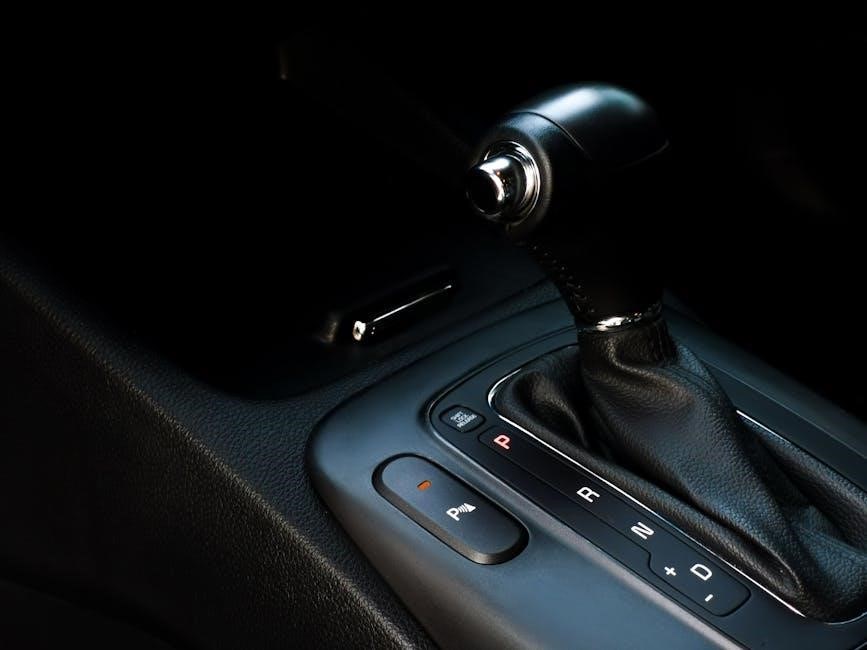
Cars with Manual Transmission ‒ 2016 Model Year: A Comprehensive Overview
In 2016, a dwindling selection of vehicles still offered the engaging experience of a manual gearbox, appealing to driving enthusiasts seeking greater control and connection.
Despite the rise of automatics, several manufacturers continued providing stick-shift options, notably BMW, Chevrolet, Honda, Acura, Volkswagen, and Ford, catering to a dedicated fanbase.
This overview delves into the landscape of 2016 manual transmission cars, examining available models, performance characteristics, reliability, and current market values as of 2026.
In 2016, the automotive world was undergoing a significant shift, with automatic transmissions rapidly gaining dominance. However, a dedicated segment of drivers still passionately favored the control and engagement offered by a manual gearbox. This created a unique landscape where manual options were becoming increasingly rare, often reserved for performance models or specific trims.
The availability of manual transmissions in 2016 wasn’t uniform across all segments. While some manufacturers, like BMW with the M5, continued to offer a six-speed manual due to strong US demand, others were phasing it out entirely. The trend indicated a clear move towards convenience and efficiency, as automatics generally provided better fuel economy in many cases, though not always.
Despite this decline, the manual transmission retained a strong appeal for enthusiasts who valued the direct connection to the vehicle and the ability to fully control gear selection. This introduction sets the stage for exploring the specific models that still offered this option in 2016, and the factors driving its continued, albeit diminishing, presence.
The Declining Availability of Manual Transmissions
By 2016, the decline of manual transmissions was demonstrably accelerating. Market forces, driven by consumer preference for convenience and advancements in automatic transmission technology, were the primary catalysts. Modern automatics, including those with continuously variable transmissions (CVTs) and multiple gears, began offering comparable – and sometimes superior – performance and fuel efficiency to their manual counterparts.
Data from 2016 indicated that a significant portion of subcompact and compact cars with manual transmissions actually exhibited poorer fuel economy than their automatic versions. This directly countered the traditional argument for manuals as the more efficient choice. Manufacturers responded by reducing manual options, focusing resources on automatic development.
The shift wasn’t solely about efficiency; ease of use played a crucial role. As driving became increasingly associated with commuting and daily tasks, the simplicity of an automatic appealed to a broader audience. This trend left manual transmissions largely relegated to niche markets and enthusiast vehicles by 2016.
Why Choose a Manual Transmission in 2016?
Despite their dwindling availability, manual transmissions in 2016 continued to offer compelling advantages for a dedicated group of drivers. The primary draw remained the enhanced driving engagement and sense of control. “Roping your own gears” provided a more direct connection between driver and machine, fostering a more immersive experience.
Enthusiasts valued the ability to precisely select gears for optimal performance, particularly during spirited driving. Certain models, like the BMW M5 and Ford Focus ST, were lauded for their exceptional manual shifters, offering a tactile and rewarding experience.
Furthermore, some drivers preferred manuals for their simplicity and perceived reliability, believing they offered greater control over the vehicle and potentially lower maintenance costs. The appeal was often rooted in a “labor of love” – a deliberate choice for a more involved driving experience.
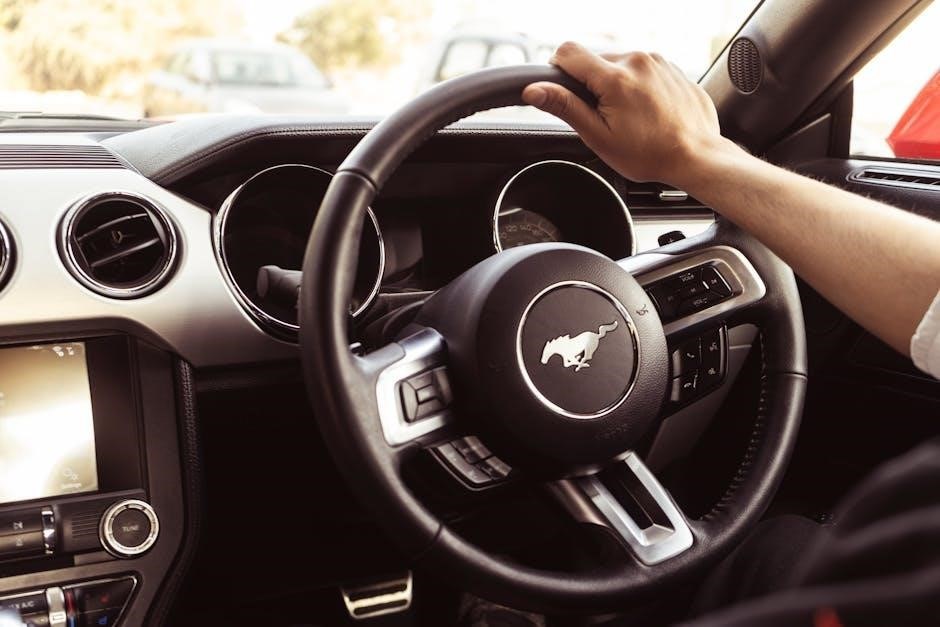
Key 2016 Models Offering Manual Transmissions
In 2016, select models like the BMW M5, Chevrolet SS, Honda Civic, Acura ILX, Volkswagen Golf and GTI, and Ford Focus ST still provided manual options.
BMW M5 (F10 Generation) ‒ A Performance Icon
The 2016 BMW M5 (F10 generation) stood as a pinnacle of performance, remarkably continuing to offer a six-speed manual transmission – a testament to strong US market demand. While not standard, the availability of a manual gearbox allowed enthusiasts to fully engage with the M5’s potent 4.4-liter twin-turbocharged V8 engine.
This configuration delivered an exhilarating driving experience, blending raw power with driver control. The M5’s manual option wasn’t merely about tradition; it enhanced the connection between driver and machine, providing precise gear changes and a more immersive feel. Reviewers consistently praised the M5’s exceptional handling and the satisfying feedback from its manual shifter.
The F10 M5 with a manual transmission has gained a collector’s appeal, representing a unique blend of luxury, performance, and driver engagement in an era increasingly dominated by automatics. It remains a highly sought-after vehicle for those prioritizing a truly connected driving experience.
Chevrolet SS ‒ A Sleeper with a Six-Speed
The 2016 Chevrolet SS often flew under the radar, but for those in the know, it represented a fantastic performance value, especially when equipped with the available six-speed manual transmission. This rear-wheel-drive sedan, based on the Australian-built Holden Commodore, offered a compelling alternative to more established sports sedans.
Reviewers noted that the SS’s manual gearbox significantly enhanced the driving experience, addressing concerns about the lackluster automatic transmission found in previous models. The six-speed provided precise shifts and allowed drivers to fully exploit the SS’s powerful 6.2-liter V8 engine. It was a true “sleeper,” offering impressive performance in a relatively understated package.
The manual SS is becoming increasingly collectible, appreciated for its rarity and the engaging driving experience it delivers. Finding a well-maintained example is a rewarding pursuit for enthusiasts seeking a unique and capable performance car.
Honda Civic ‒ A Popular Compact Choice
The 2016 Honda Civic continued its reign as a popular compact car, and for many enthusiasts, the availability of a six-speed manual transmission was a key selling point; Offering a blend of practicality, fuel efficiency, and driving enjoyment, the Civic catered to a broad audience.
The manual transmission was offered on select trim levels, providing a more connected and engaging driving experience compared to the continuously variable transmission (CVT) option. Reviewers praised the Civic’s precise shifter and responsive engine, making it a fun-to-drive choice in the compact segment.
While some subcompact and compact cars with manuals experienced poorer fuel economy than their automatic counterparts, the Civic maintained respectable figures. Today, a well-preserved 2016 Civic with a manual gearbox represents an affordable and reliable option for those seeking a driver-focused compact car.
Acura ILX ‒ Entry-Level Luxury with a Manual Option
The 2016 Acura ILX offered a somewhat surprising, yet welcome, option for driving purists: a six-speed manual transmission. As Acura’s entry-level luxury sedan, the ILX aimed to attract younger buyers, and the availability of a manual gearbox was a deliberate attempt to appeal to enthusiasts.
While not as widely celebrated as the Civic’s manual offering, the ILX’s stick-shift provided a more engaging experience than the standard automatic. The A-Spec Technology trim, in particular, stood out, offering the manual alongside other sporty enhancements.
In 2026, finding a well-maintained 2016 ILX with a manual is becoming increasingly rare, potentially adding to its appeal for collectors or those seeking a unique, affordable luxury car with a driver-focused transmission.
Volkswagen Golf ー A Versatile Hatchback
The 2016 Volkswagen Golf continued the model’s long tradition of offering a satisfying manual transmission experience. Known for its practicality and refined driving dynamics, the Golf provided a compelling option for those seeking a versatile hatchback with driver engagement. A six-speed manual was available on several trim levels, enhancing the car’s already enjoyable character.
The Golf’s manual gearbox was praised for its precise shifts and reasonable weighting, contributing to a connected feel behind the wheel. It perfectly complemented the Golf’s balanced handling and responsive engine options;
As of 2026, a 2016 Golf with a manual transmission represents a solid value proposition, offering a blend of reliability, practicality, and driving fun. Its enduring appeal makes it a desirable choice in the used car market.
Volkswagen GTI ‒ The Enthusiast’s Hot Hatch
The 2016 Volkswagen GTI cemented its reputation as the benchmark for hot hatches, and the availability of a six-speed manual transmission was central to its appeal. For driving enthusiasts, the GTI’s manual gearbox elevated the experience, providing a direct connection to the turbocharged engine and front-wheel-drive chassis.
Reviewers consistently lauded the GTI’s shifter for its precise feel and satisfying gate action, making it a joy to operate. This manual option allowed drivers to fully exploit the GTI’s potent performance and playful handling characteristics.
Today, in 2026, a well-maintained 2016 GTI with a manual transmission is highly sought after, commanding a premium in the used car market due to its enthusiast following and enduring driving pleasure.
Ford Focus ST ー A Fun-to-Drive Performance Compact
The 2016 Ford Focus ST delivered a thrilling driving experience, and the six-speed manual transmission was a key component of its appeal. Positioned as a performance-oriented compact, the ST offered a potent turbocharged engine and a sporty chassis, best enjoyed with driver-controlled gear changes.
Automotive journalists frequently praised the Focus ST’s manual gearbox for its responsiveness and engaging feel, enhancing the car’s overall fun-to-drive nature. The precise shifter allowed for spirited acceleration and confident downshifts, maximizing the ST’s performance potential.
As of 2026, a 2016 Focus ST equipped with a manual transmission remains a desirable option for enthusiasts seeking an affordable and engaging performance car, retaining a strong following.
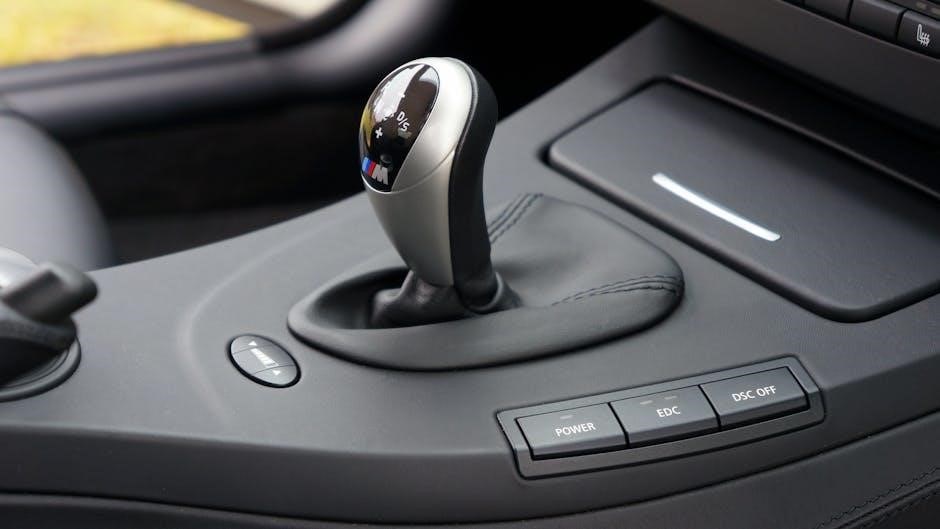
Performance and Driving Experience
2016 manual cars offered a uniquely connected feel, prioritizing driver engagement and control over automated convenience, enhancing the overall driving sensation.
The Benefits of a Manual Transmission for Driving Engagement
Manual transmissions in 2016 provided a level of driver involvement largely absent in automatic counterparts. The direct connection between the driver and the powertrain fostered a more intimate and rewarding experience, allowing for precise control over gear selection and engine speed.
This control translated to enhanced responsiveness, particularly during spirited driving, where drivers could dictate the optimal gear for any given situation. The act of shifting itself became a skill to master, adding a layer of complexity and satisfaction to the driving process. For enthusiasts, this tactile feedback and sense of control were paramount.
Furthermore, a manual gearbox often encouraged more attentive driving, as drivers needed to be actively aware of engine RPM and road conditions. This heightened awareness contributed to a more immersive and engaging driving experience, making each journey more memorable and enjoyable. It wasn’t simply about getting from point A to point B; it was about how you got there.
Shifting Techniques and Smoothness
Mastering smooth shifting in a 2016 manual transmission vehicle required coordination and practice. Techniques like rev-matching – adjusting engine speed to match the upcoming gear – were crucial for seamless transitions and minimizing drivetrain shock. Proper clutch engagement and precise timing were equally important.
Heel-toe downshifting, a more advanced technique, allowed drivers to simultaneously brake and blip the throttle during downshifts, maintaining vehicle balance and control. While demanding, it offered a significant performance advantage. Smoothness wasn’t just about comfort; it directly impacted driving efficiency and reduced wear on components.
Avoiding abrupt clutch releases and jerky gear changes prevented transmission damage and ensured a more refined driving experience. A well-executed shift felt almost imperceptible, creating a fluid and connected feel between driver and machine. Consistent practice was key to developing muscle memory and achieving consistently smooth shifts.
Manual vs. Automatic: A Comparison of Acceleration and Fuel Economy (2016 Data)
In 2016, the performance gap between manual and automatic transmissions was narrowing, but distinctions remained. Generally, manual transmissions offered slightly quicker acceleration due to direct power delivery and reduced drivetrain losses, though skilled drivers were essential to realize this benefit.
However, data indicated that a significant portion – around 54.5% of compact and subcompact cars – actually achieved poorer fuel economy with a manual compared to their automatic counterparts. This was often attributed to less sophisticated automatic gearboxes and torque converter lockup technology.
Specific models varied; some manuals demonstrated superior fuel efficiency, while others lagged behind. Driver skill played a substantial role, with efficient shifting maximizing fuel economy in manual vehicles. Ultimately, the choice depended on individual priorities – performance versus potential fuel savings.
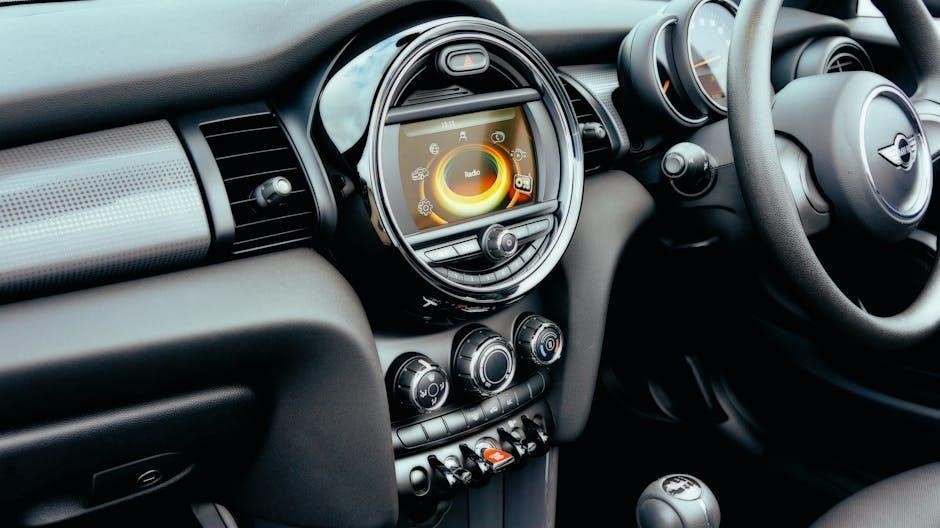
Reliability and Maintenance
2016 manual transmissions were generally robust, but clutch wear and synchro issues surfaced. Regular fluid checks and proper driving habits ensured longevity and minimized repair costs.
Common Issues with 2016 Manual Transmissions
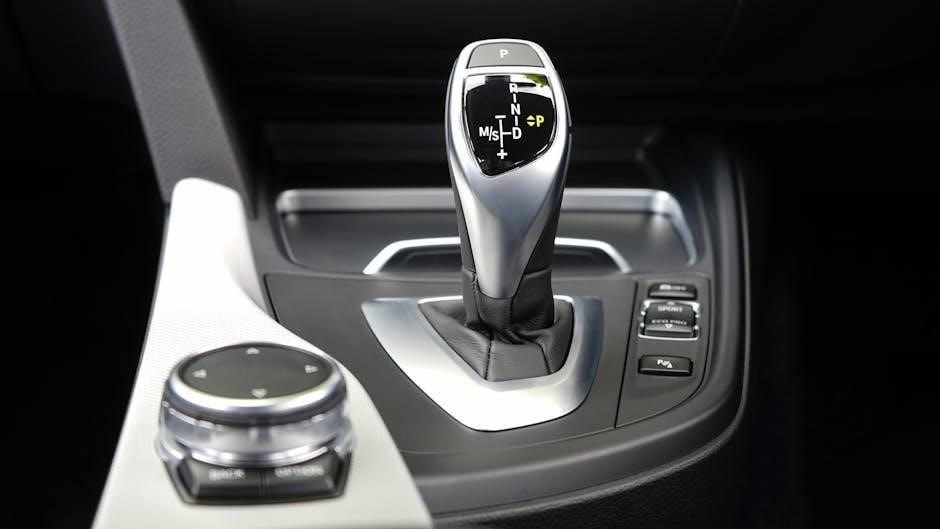
Several recurring issues affected 2016 manual transmissions across different models. Clutch wear, naturally, was a primary concern, particularly with enthusiastic drivers or those frequently encountering stop-and-go traffic. Synchronizer problems, manifesting as grinding during shifts, were reported in some vehicles, potentially requiring gearbox rebuilds.
Specific models exhibited unique quirks; for instance, some owners of the Chevrolet SS noted occasional issues with the shifter linkage. The Volkswagen group’s transmissions, while generally reliable, sometimes experienced premature wear of internal components.
Furthermore, improper shifting techniques – such as “speed shifting” or “power shifting” – could accelerate wear and tear on the transmission’s internal parts. Ignoring warning signs like unusual noises or difficulty engaging gears could lead to more extensive and costly repairs down the line. Regular inspections and preventative maintenance were crucial for mitigating these potential problems.
Maintenance Tips for a Long-Lasting Manual Gearbox
To ensure the longevity of a 2016 manual transmission, diligent maintenance is key. Regularly check and replace the transmission fluid according to the manufacturer’s recommendations – typically every 30,000 to 60,000 miles – using the correct fluid type. Inspect the clutch disc and pressure plate for wear during routine servicing, addressing any slippage promptly.
Smooth shifting habits significantly reduce stress on the gearbox. Avoid aggressive clutching and abrupt gear changes. Periodically inspect the shifter linkage for looseness or damage, ensuring precise gear selection.
Pay attention to any unusual noises, such as grinding or whining, which could indicate internal problems. Addressing minor issues early prevents them from escalating into major repairs. Proper care and attention will help preserve the driving enjoyment and reliability of your 2016 manual transmission vehicle.
Clutch Replacement Considerations
For a 2016 manual transmission vehicle, clutch replacement is a significant maintenance item. Expect costs between $800 and $2,000, varying by vehicle model and labor rates. It’s wise to replace the pressure plate, throw-out bearing, and pilot bearing alongside the clutch disc for a comprehensive repair.
Consider the clutch type – organic, ceramic, or performance – based on driving style. Organic clutches offer smooth engagement for daily driving, while ceramic clutches provide enhanced grip for performance applications.
A failing clutch typically exhibits symptoms like slippage, difficulty shifting, or a spongy pedal feel. Ignoring these signs can lead to further damage. When replacing the clutch, inspect the flywheel for wear or damage and resurface or replace it as needed. Proper installation and break-in are crucial for optimal clutch performance and longevity.
Market Trends and Value in 2026
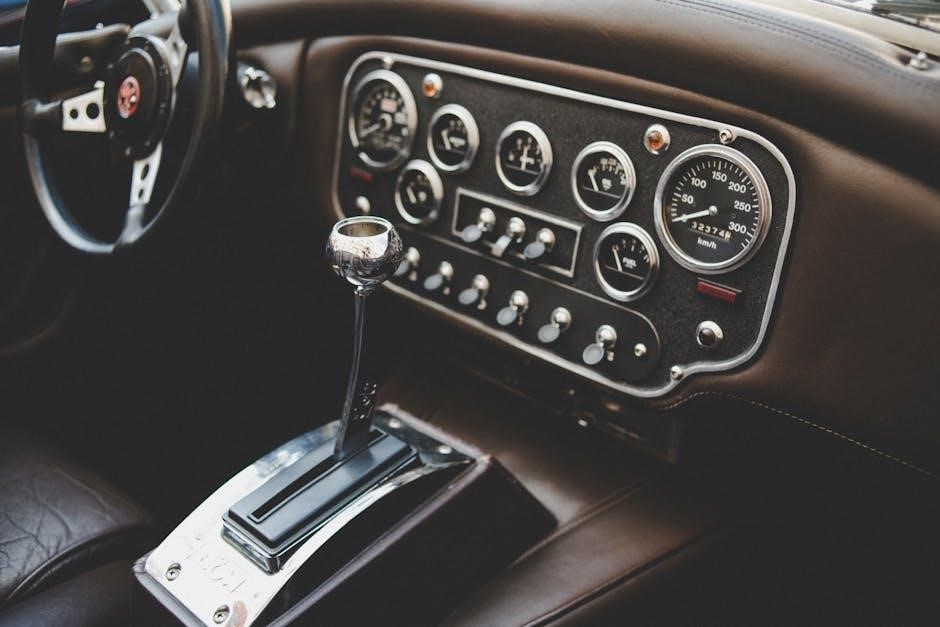
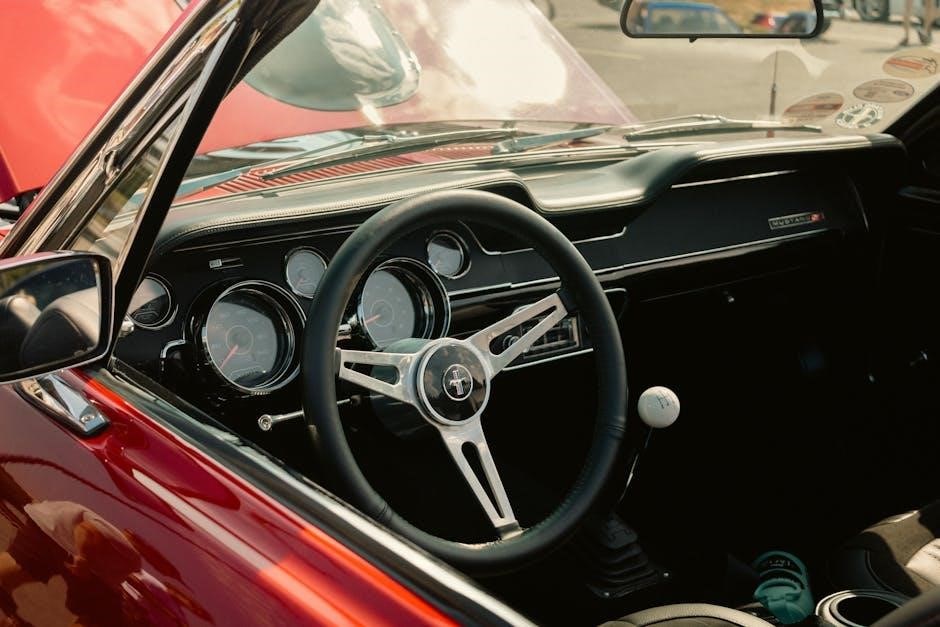
By 2026, well-maintained 2016 manual cars are gaining collector appeal, commanding premiums due to their rarity and the enthusiast driving experience they offer.
The Resale Value of 2016 Manual Cars Today
Determining the resale value of a 2016 manual transmission car in 2026 is complex, varying significantly by model, condition, and mileage. Generally, models like the BMW M5 with a manual command higher prices due to their performance and limited availability.
Vehicles such as the Chevrolet SS, increasingly appreciated as a modern muscle car, also hold strong value, particularly those with low mileage and documented maintenance. More mainstream options like the Honda Civic or Volkswagen GTI, while more affordable initially, demonstrate steady appreciation among enthusiasts.
However, factors like accident history, modifications, and overall mechanical condition heavily influence pricing. Pristine examples with complete service records consistently fetch higher amounts. Online valuation tools provide estimates, but a professional appraisal is recommended for accurate assessment. The growing demand for driver-focused cars is positively impacting the market.
The Collector’s Appeal of Manual Transmission Vehicles
2016 manual transmission cars are increasingly attracting collectors, driven by a growing appreciation for the analog driving experience. As automatics dominate the new car market, these stick-shift models represent a disappearing breed, fostering a sense of nostalgia and exclusivity.
Performance-oriented vehicles like the BMW M5 and Ford Focus ST, offering a direct connection between driver and machine, are particularly sought after. Limited-production models or those with desirable options further enhance collectibility.
The “driver’s car” ethos resonates with enthusiasts who value engagement and control. Well-maintained, original examples are prized, mirroring trends seen with classic sports cars. This rising demand suggests that select 2016 manual cars could become future classics, appreciating in value over time.
Finding a Well-Maintained 2016 Manual Car
Locating a pristine 2016 manual transmission vehicle requires diligent searching and careful inspection. Vehicle history reports are crucial, revealing accident history, maintenance records, and potential title issues. Prioritize cars with documented service histories, indicating consistent care.
Focus on examples with lower mileage and minimal modifications. Inspect the clutch for smooth engagement and signs of wear. Listen for unusual noises during gear changes, potentially signaling internal transmission problems.
Consider a pre-purchase inspection by a mechanic specializing in manual transmissions. Online forums and car communities can provide valuable insights into specific models and common issues. Patience is key – finding the right car takes time, but ensures a rewarding ownership experience.
Resources for Further Research
Explore online car reviews, forums like Cars.com, and vehicle history reports for detailed insights. Seek mechanics specializing in manual transmissions for expert advice.
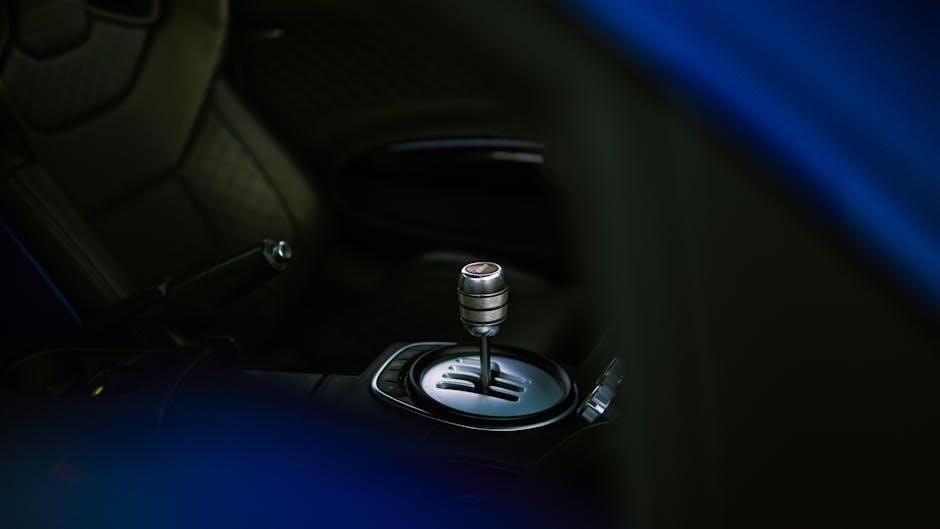
Online Car Reviews and Forums
Numerous online resources provide valuable information regarding 2016 manual transmission vehicles. Websites like Cars.com offer comprehensive reviews, specifications, and owner opinions, aiding potential buyers in their research. Autoblog consistently champions the manual driving experience, providing insightful articles and perspectives.
Car and Driver, along with MotorTrend, feature extensive testing and reviews, often including performance data and driving impressions of models like the BMW M5 and Volkswagen GTI. Online forums dedicated to specific makes and models – such as BMW forums or Honda Civic communities – are invaluable for gathering real-world feedback from owners.
These forums often contain detailed discussions about maintenance, common issues, and modifications, offering a wealth of practical knowledge. Zack Pradel’s YouTube channel provides vehicle submissions and reviews, potentially including 2016 models. Diligent research across these platforms will equip you with a thorough understanding before purchasing.
Vehicle History Reports
Obtaining a vehicle history report is crucial when considering a 2016 manual transmission car. Services like Carfax and AutoCheck compile data from various sources, revealing potential issues hidden from a visual inspection. These reports detail accident history, title problems (salvage, flood damage), odometer readings, and service records.
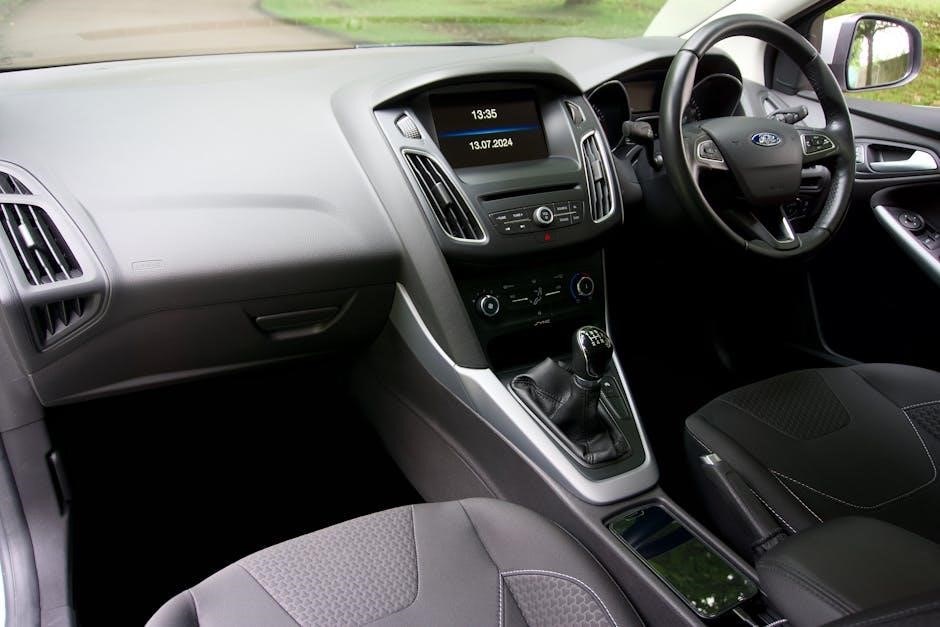
For a manual car, pay close attention to reported transmission repairs or clutch replacements, as these can indicate prior hard use or neglect. A clean history doesn’t guarantee a flawless vehicle, but it significantly reduces the risk of unexpected problems. Verify the report’s accuracy by cross-referencing information with available service records.
Consider the cost of the report a worthwhile investment, potentially saving you from costly repairs down the line. A thorough history report, combined with a pre-purchase inspection by a qualified mechanic, provides the best protection when acquiring a used 2016 vehicle.
Local Mechanics Specializing in Manual Transmissions
Finding a mechanic experienced with manual transmissions is invaluable when owning a 2016 car. These transmissions require specialized knowledge for accurate diagnosis and repair, differing significantly from automatics. General mechanics may lack the specific expertise needed for clutch work, shifter adjustments, or synchronizer issues.
Seek out shops that specifically advertise manual transmission service or have technicians known for their proficiency in this area. Online reviews and local car forums can provide valuable recommendations. Ask potential mechanics about their experience with the specific make and model you’re considering.
A skilled mechanic can perform preventative maintenance, identify early warning signs of problems, and execute repairs efficiently. Building a relationship with a trusted specialist ensures your 2016 manual transmission car remains reliable and enjoyable for years to come.